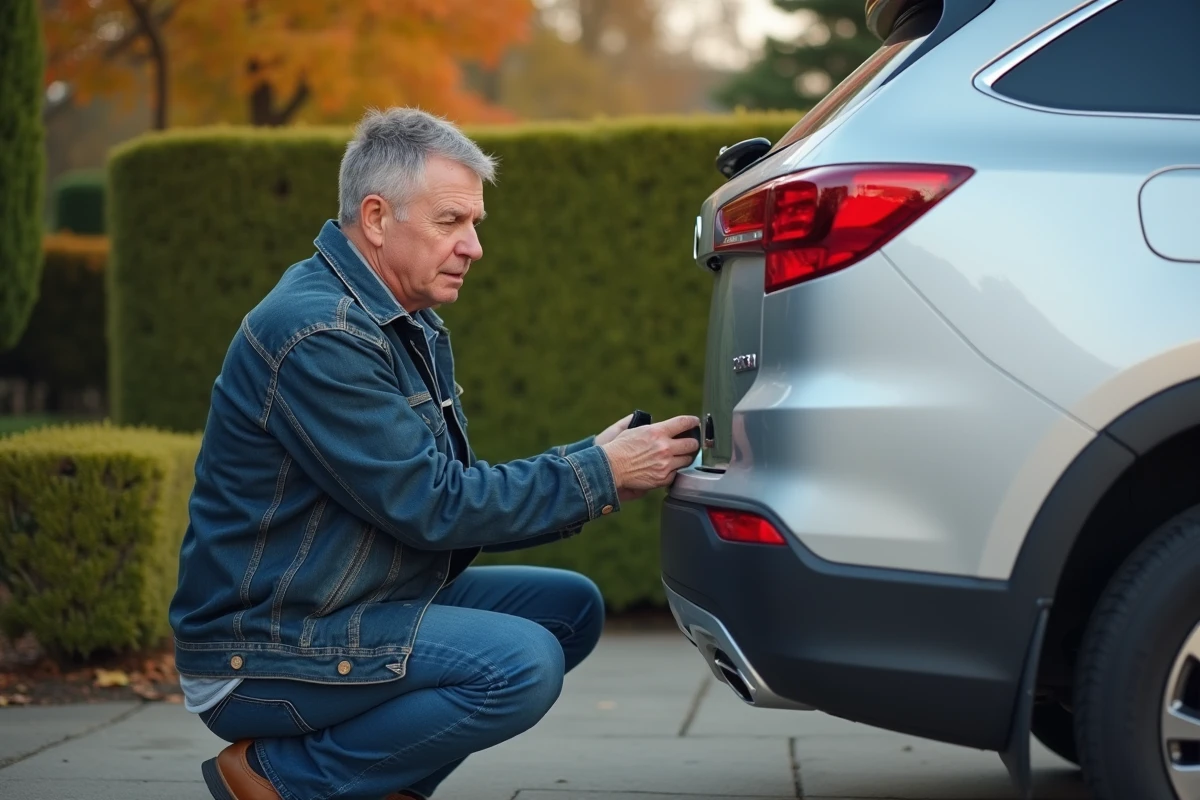
15% of rearview cameras fail by the second year, a figure that speaks volumes about the gap between marketing claims and real-world performance. With the same equipment, two models from the same brand can react very differently to embedded electronics. The automotive ecosystem has never required such technical vigilance.
In 2024, the appeal of options such as night vision and wireless connectivity is skyrocketing, recording a growth of 37%. However, behind this upgrade trend, a reality emerges: on some entry-level models, robustness is the first casualty of innovation. The price gap between a basic camera and a high-end model can reach a ratio of 1 to 5, without any guarantee of a user experience that matches the investment.
Why the rearview camera is becoming an essential ally for drivers in 2024
Driving assistance is no longer limited to the simple sound alert of a rear radar. The rearview camera is now established as a central piece of equipment on cars, vans, motorhomes, trailers, or trucks. Its adoption responds to the need for precise, visual, immediate maneuvering. The image provided to the driver complements, or even supplants, the sound alert of the rear radar, which merely signals the presence of obstacles with a progressive beep.
The distinction is clear: the rearview camera shows, the rear radar detects. With every parking maneuver and every reverse, the real-time visualization of the vehicle’s dimensions and its immediate surroundings reduces the risk of collisions, scratches, and bumps. This is an advantage for long or bulky vehicles, but also for city dwellers seeking precision in crowded parking lots. The rearview camera thus becomes essential across all segments, from small vans to heavy trucks, and its installation adapts according to use: license plate, bumper, or even on detachable trailers.
The widespread adoption of these devices reflects a fundamental shift. Transport professionals, craftsmen, corporate fleets, and individuals are equipping themselves to enhance safety and comfort. Video reassures, anticipates, documents, and integrates into the new connected uses of the vehicle. https://autoscope.fr/ provides ongoing monitoring of market evolution and innovations, guiding technical choices and custom installations.
Here are the main points to remember about the role of the rearview camera today:
- Vehicles concerned: car, van, motorhome, truck, trailer
- Key difference: rearview camera = image, rear radar = sound signal
- Installation: flexible according to vehicle configuration and size
What criteria to prioritize to find the model perfectly suited to your vehicle?
Before choosing a rearview camera, you need to assess your needs, the type of vehicle, and the frequency of use. The choice between a wired or wireless system determines the essence of the experience. Wired systems appeal due to their image stability and insensitivity to electromagnetic interference, making them ideal for vans and trucks often exposed to demanding conditions. Installing this type of kit requires a bit of patience: it involves running a cable between the camera and the screen, usually at the dashboard. On the other hand, the wireless version stands out for its quick and discreet installation, perfect for light cars or occasional use. However, it’s essential to check the range and reliability of the signal to avoid any unpleasant surprises.
Other criteria prove crucial for selecting a high-performing rearview camera. The protection level (IP67, IP68, IP69, IP69K) attests to its resistance to water, dust, or projections: a construction truck would prefer an IP69K camera, designed to withstand high pressure. The field of view is equally strategic, ranging from 120° to 170°, allowing for a wider rear view, reducing blind spots, and approaching each maneuver with increased visibility. For those who frequently drive at night, the presence of infrared LEDs or a night vision function makes a significant difference.
The LCD screen should naturally fit into the available space: from a compact 4.3-inch model to a large 12-inch format, every driver can find the ideal compromise. Some devices add advanced features like a microphone, video recording, GPS, or Wi-Fi to view images on a smartphone. Finally, the mounting varies according to your constraints: license plate, bumper, or detachable trailer. Custom solutions are easily accessible on autoscope.fr, for equipment truly aligned with your needs.
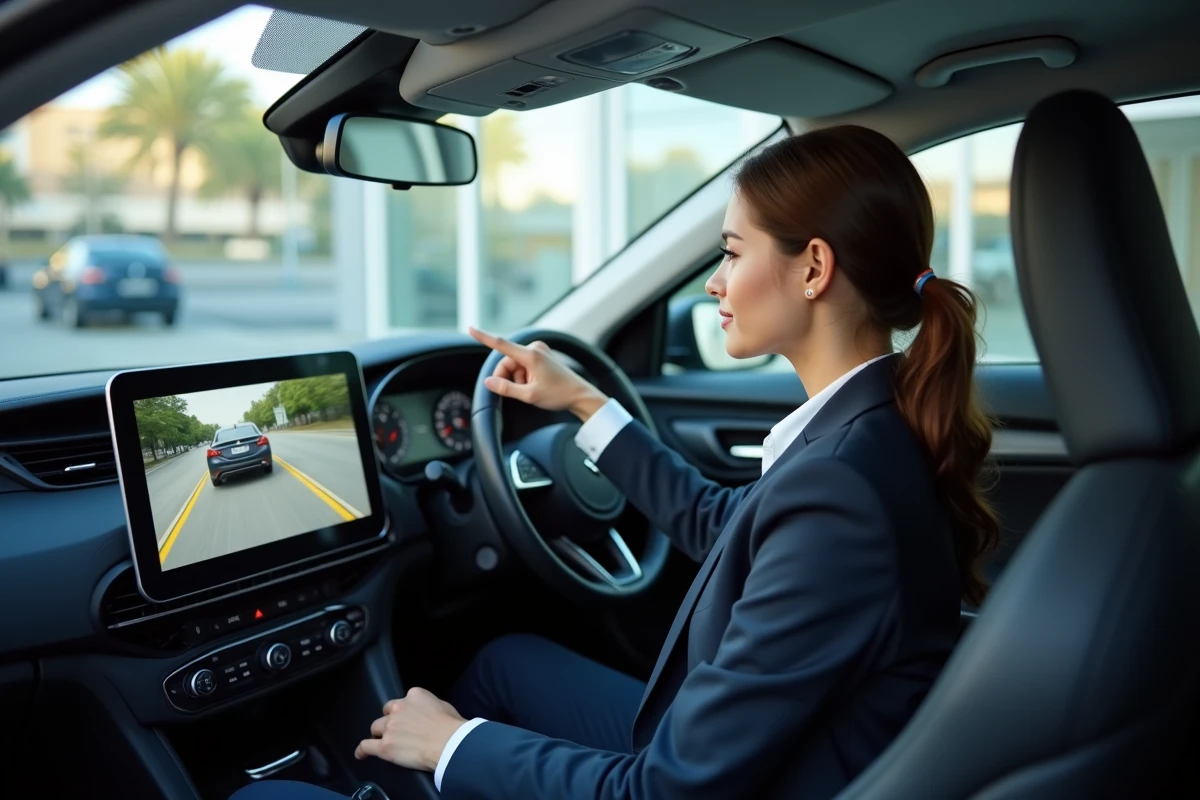
Our selection of the best rearview cameras of the year: comparison, advantages, and tips for a successful purchase
In 2024, the rearview camera becomes an essential reference for all types of vehicles. This selection brings together several models that combine image quality, durability, and ease of installation, suited to the most varied needs.
Here is a list of models that stand out this year:
- Tomoia T1: wired model equipped with a 4.3-inch 1080p screen, 150° viewing angle, IP69 certification, night vision with 6 white LEDs, and an 8-meter range. Ideal for city cars and compact vans.
- Beeper RWEC99X: wired kit with a 7-inch LCD/IPS screen, 140° angle, IP67 rating, built-in microphone, and a 15-meter range. A wise choice for motorhomes, vans, or trucks.
- Wolfbox G840S: 12-inch curved touchscreen monitor, dual camera (front 4K 170°, rear 1080p 140°), built-in GPS, IP69 protection. Recommended solution for those seeking panoramic vision and great versatility.
- Tomoia wireless: 5-inch HD screen, IP68 rating. Quick installation, recognized reliability (4.4/5 rating from over 600 reviews). Perfect for avoiding wiring work.
- Auto-Vox Solar 5B: wireless solar-powered camera, 7.2-inch HD screen, magnetic mount. Convenient for those looking for an autonomous solution without complex installation.
The field of view, the protection rating (IP67 to IP69K), night vision, or the presence of a built-in microphone refine the suitability for each use. Wired models dominate for their reliability on long vehicles; wireless ones are gaining ground for their practicality. Finally, consider the size of the monitor and compatibility with the dashboard or windscreen, for a harmonious integration into your driving environment.
At a time when every maneuver can make a difference, equipping yourself with a suitable rearview camera is betting on peace of mind and control, even in the tightest parking lots. The road always holds surprises; it’s better to see them coming, screen on.