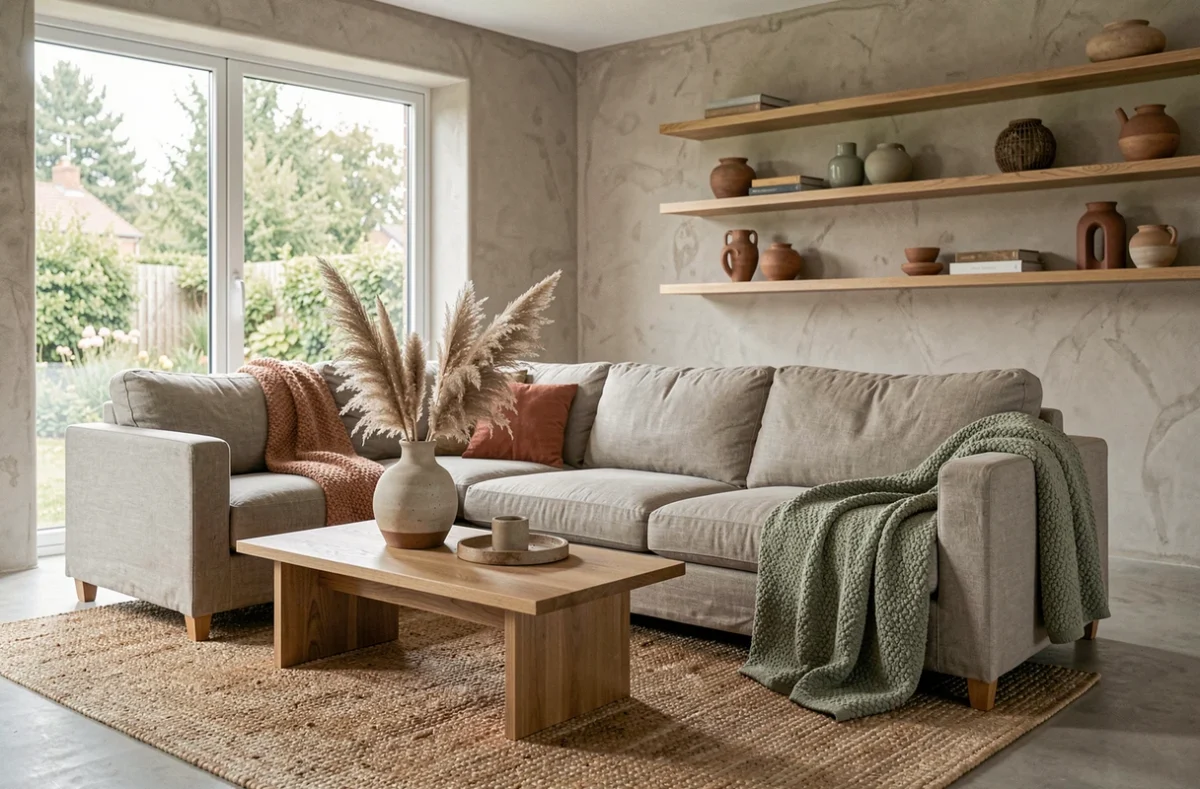
Interior design trends are evolving due to constraints that go beyond mere aesthetic choices. European regulations on eco-design, revisions of emission criteria for paints, thermal adaptation of homes: these factors are reshaping how we arrange and enhance our homes. Understanding these mechanisms allows for sustainable choices, beyond just following trends.
Digital passport for furniture: what European regulations change for your decor
The European regulation on eco-design for durable products, which came into effect on July 18, 2024, introduces a mechanism that is still little known to the general public: the digital passport for products. This electronic document will provide information on the complete life cycle of an object, from its manufacturing to its end of life.
Furniture is included in the European work schedule, with an indicative deadline in 2028. This means that traceability, reparability, and the composition of furniture will become criteria accessible to consumers before purchase.
For those looking to enhance their interiors with style, this evolution has a direct impact. Choosing a solid wood table or a sofa made from recycled fabric will no longer be solely a matter of personal taste. Product sheets will indicate the source of materials, repair possibilities, and substances used. You will also find on the home category of Belle Déco pieces that anticipate this demand for transparency in furniture selection.
Field feedback varies on the exact timeline for applying these regulations to furniture, but the direction is clear: the composition of a piece of furniture will become as much a decor argument as its design.
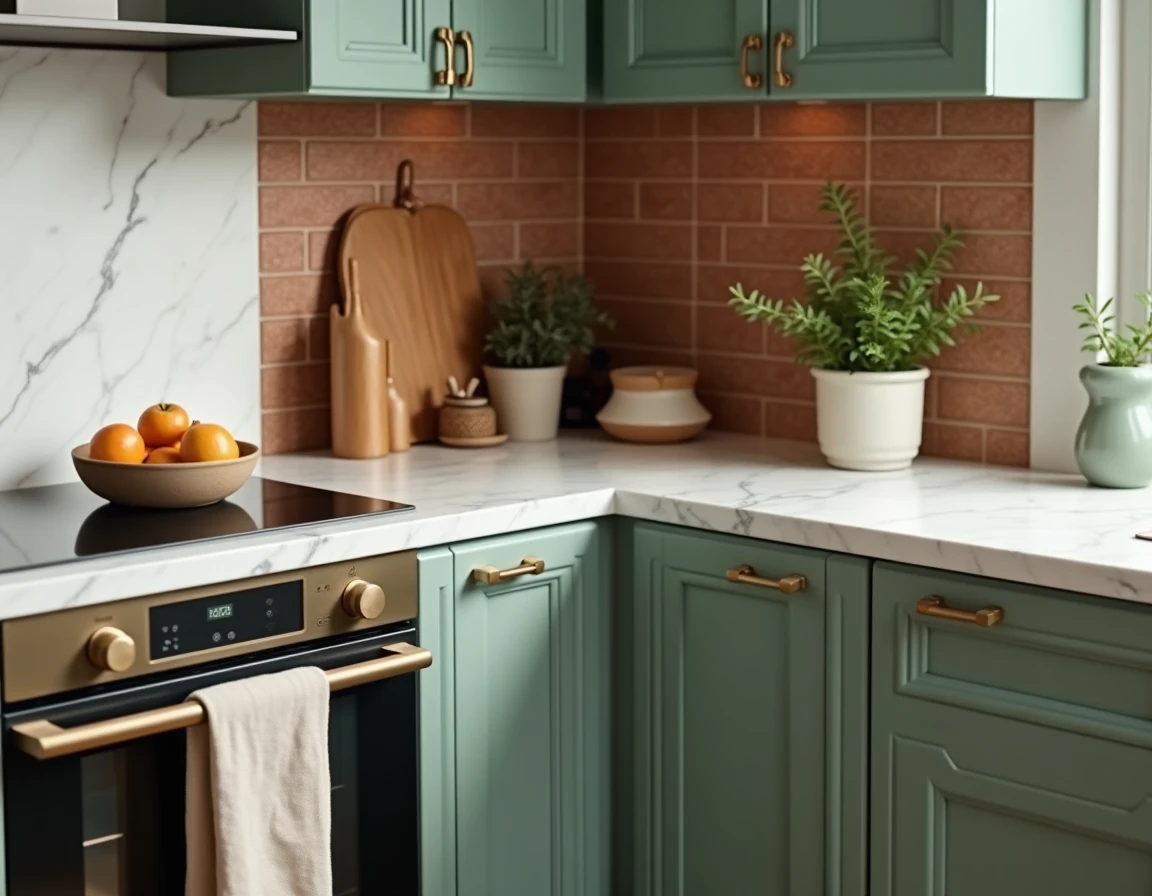
Paints and trendy colors: beyond the shade, check the emissions
Choosing a color for a living room or bedroom remains a strong decorative gesture. Natural tones, mineral greens, and terracotta shades continue to dominate the palettes offered by manufacturers. However, a technical criterion deserves as much attention as the chosen hue.
The revised criteria of the EU Ecolabel for paints and varnishes have been adopted by European decision 2025/2607. They will apply until December 31, 2032, and include strengthened requirements on volatile organic compounds (VOCs). VOCs affect indoor air quality, a topic rarely addressed in trendy color selections.
When choosing a paint to enhance your rooms, checking for the EU Ecolabel guarantees the level of emissions. This label is not limited to the absence of certain substances: it also covers the product’s performance, durability, and overall environmental impact.
- Check for the EU Ecolabel on the can, which certifies a maximum VOC threshold compliant with criteria 2025/2607
- Prefer water-based paints for enclosed living spaces, particularly living rooms and bedrooms
- Consult the product data sheet to know the actual drying time and the ventilation needed after application
Choosing a trendy shade does not exempt you from this verification. An elegant interior starts with healthy indoor air.
Reuse of materials in interior decoration: technical constraints to know
Incorporating reclaimed materials into a design project is appealing for its authentic and responsible aspect. Old beams, vintage cement tiles, demolition bricks: these elements add character to a home.
However, industry feedback indicates that reuse requires more documentation and validation than new construction. A reclaimed material may sometimes need additional characterization. Fire resistance, shock resistance, or compliance with current standards are not always guaranteed by the visual appearance of the material.
This constraint does not disqualify reuse, but it invites anticipation. A batch of beautiful old tiles may require surface treatment before installation. A reclaimed exposed beam from a demolition site may need to be tested to verify its load-bearing capacity.
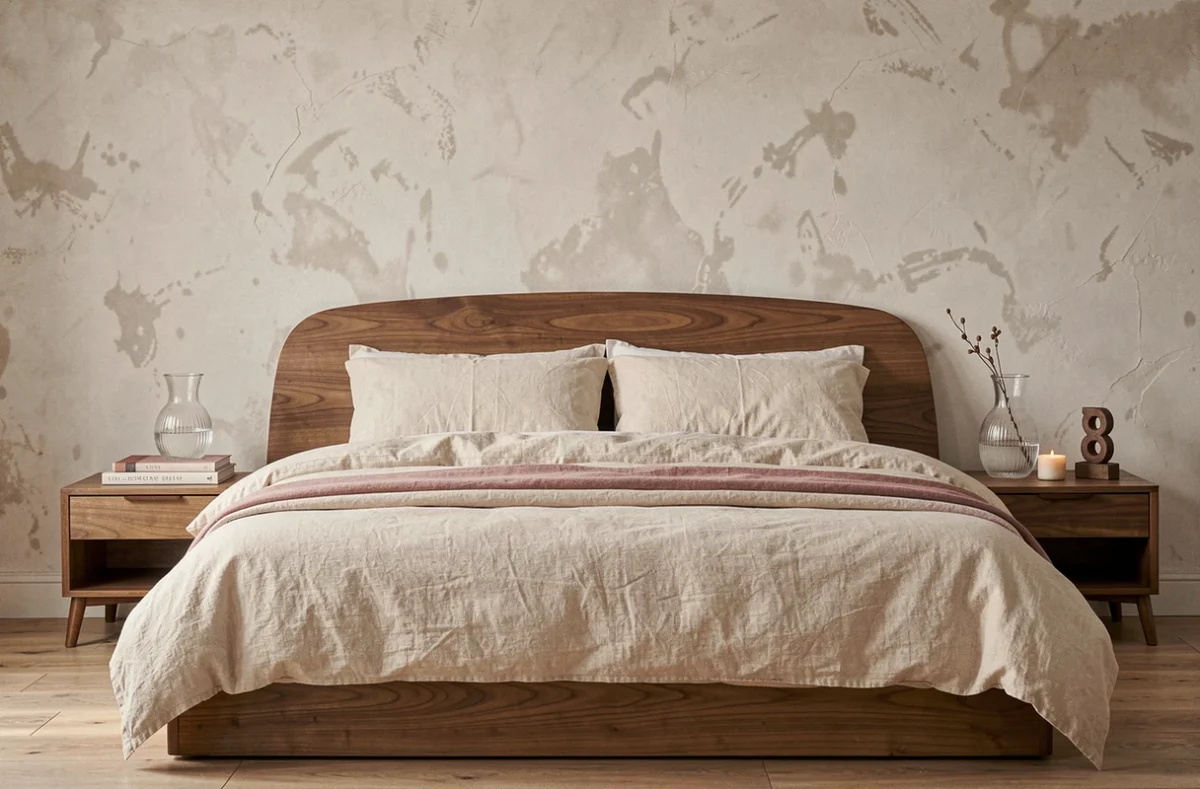
The validation time extends the project timeline. For a living room or common area, allowing several additional weeks compared to a standard renovation is prudent. The available data does not allow for a typical additional cost, as situations vary depending on the material and intended use.
Solar protection and summer comfort: a decor criterion that has become technical
Adapting to high heat transforms certain decorative choices into technical decisions. External solar protection (shutters, blinds, sunshades) is the most effective lever to limit overheating in an existing home.
On the interior design side, the choice of textiles and coverings plays a often underestimated role. Thick natural linen curtains, stone or tile floors instead of carpet, light colors on south-facing walls: these decisions combine style and thermal performance.
- Adjustable external blinds allow for controlling natural light without sacrificing the view, an advantage for open living spaces
- Natural fiber textiles (linen, cotton, hemp) regulate humidity better than synthetic ones and contribute to tangible summer comfort
- Light colors on sun-exposed walls reflect more radiation, reducing the temperature rise in the room
Decorating with thermal comfort in mind does not require sacrificing elegance. Natural materials and light shades are among the most current decoration trends, making it easier to align aesthetics with performance.
Enhancing your home with style and elegance now involves informed choices. European regulations on furniture, emission criteria for paints, reuse constraints, and thermal adaptation of spaces are all concrete parameters. A successful interior in 2026 will be distinguished by the quality of its choices, not just by the trend of its colors.